

Abstract
IoT test is based on radio waves attenuation air and environment model, comprehensive account of the differences of different users using the environment, for smart home wireless communication equipment throughput, distance attenuation, roaming, objects within the wireless entangled, environmental interference, the shielding effect created by compartment Material, produced by the performance of the software control gives the qualitative and quantitative evaluation method, and evaluation of intelligent household equipment wireless signal connection quality affect the user experience.
Testing Standard
1. T/CAS 392-2020
2. MIUI ecological chain WiFi test standard
Serving products
Network equipment: AP, router, switch
Kitchen/Dining room equipment: refrigerator, washing machine, range hood, rice cooker
Bathroom equipment: closestool, bathtub, bibcock, bathroom mirror, shower room, sauna room, hair dryer
Living/bedroom equipment: TV, lighting, smart door lock, sweeper, air conditioner, massage chair, air purifier, smart speaker, dehumidifier, smart remote control, fitness equipment, smart socket, camera projection
Test items and sites
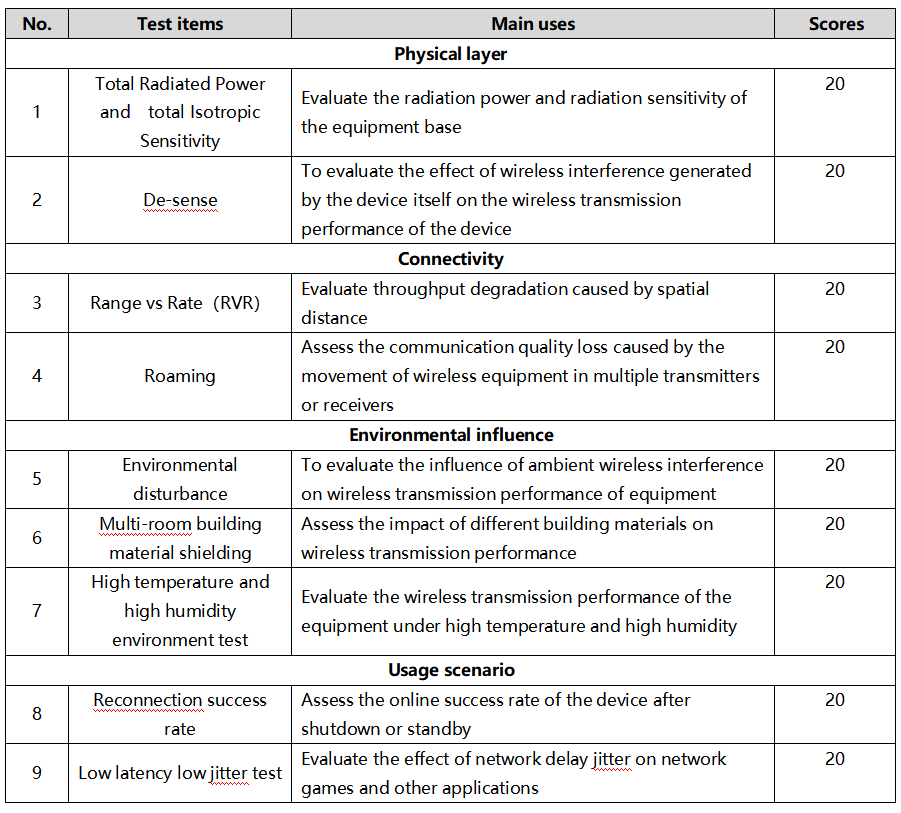
Test items
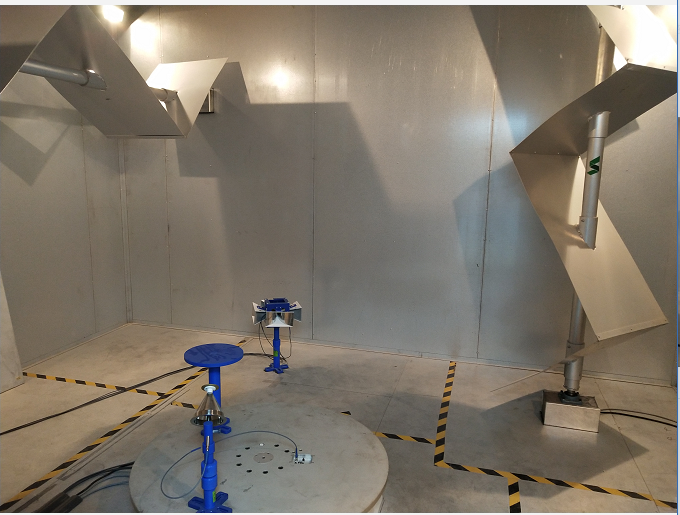
Test site
RC OTA
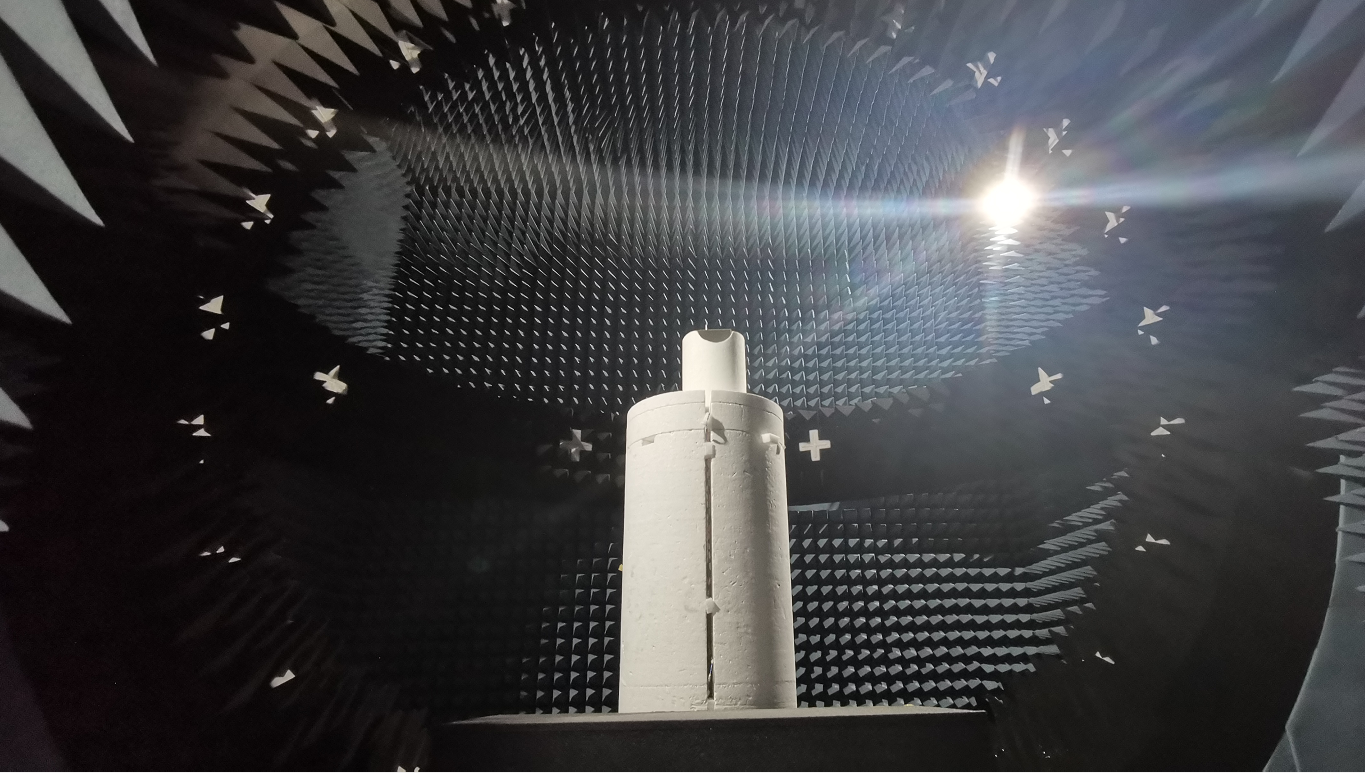
MIMO OTA
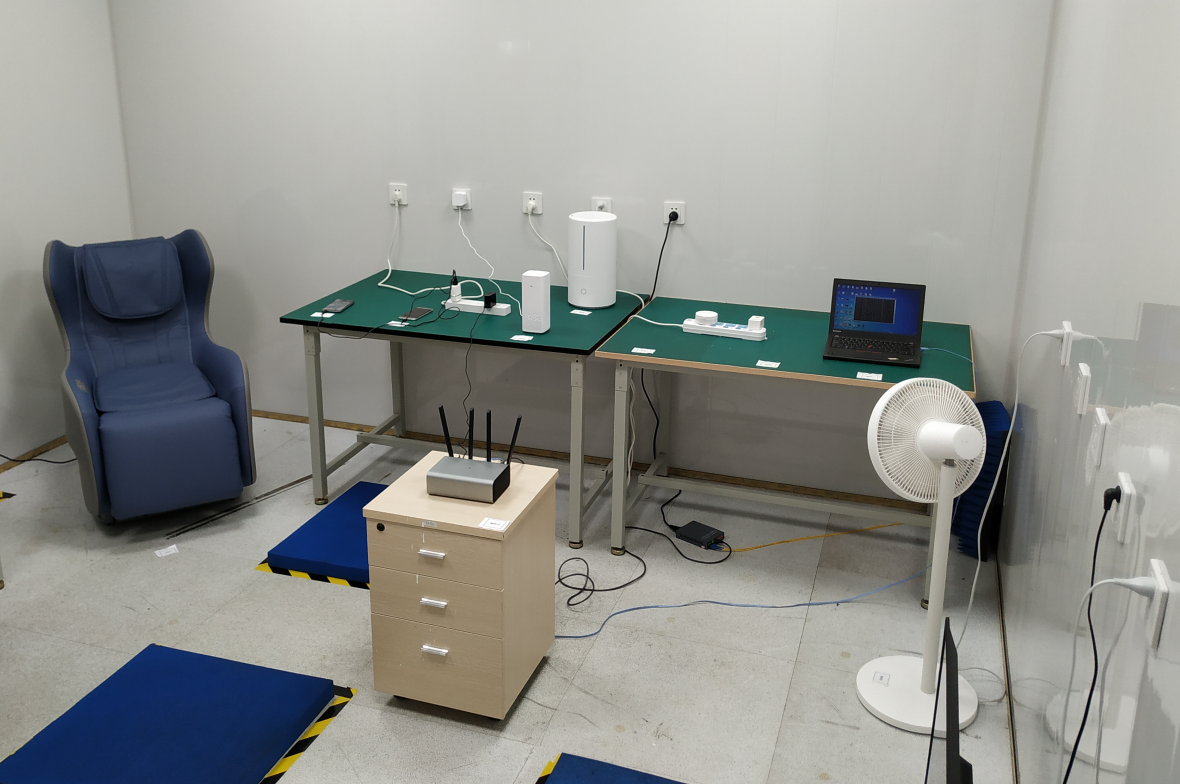
IoT Test Room
Grading criteria and labels
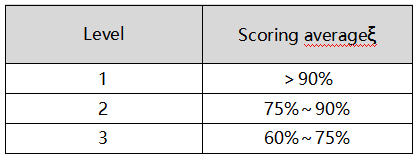
According to the actual scoring rate of the test items, the wireless connection level of the equipment is divided into 1 to 3 levels, of which 1 level is the highest. The products can be certified and sold with smart labels.
Level of wireless connection for smart home devices
Relevant information

EU Releases Exemption Guidelines on Removability and Replaceability of Portable and LMT Batteries — Multiple Product Categories Relief Granted
On July 14, 2026, the European Commission published the "Commission Guidelines to Facilitate the Harmonised Application of Provisions on the Removability and Replaceability of Portable and Light Means of Transport (LMT) Batteries" (Commission Notice C(2026) 5032 final). These guidelines aim to provide a uniform interpretative framework for the implementation of Article 11 of the EU Battery Regulat

6G Developments: Past, Present and Future
The formulation of 6G standards has entered a more concrete phase. At the 3GPP RAN Plenary Meeting held in Singapore in June 2026, the industry made progress in multiple key research areas and finalized the timeline for Release 21, which is regarded as the first standard version expected to formally define 6G.

Overview of EN IEC 61000-4-29:2026
The key focus of the 2026 edition is to address new DC power distribution environments, especially higher-voltage DC systems. It also clarifies test generator capability, duration tolerance, current limitation during short interruptions, inrush current verification, result evaluation, and test report requirements. For products using 24 Vdc, 48 Vdc, 380 Vdc, 400 Vdc, 800 Vdc, or other DC input pow