

The SAR (Specific Absorption Rate) test is the ratio of the electromagnetic energy absorbed by the human body when the human body is exposed to radio frequency (RF) electromagnetic field energy. The unit is defined as the energy absorbed per kilogram of mass (W/kg).
And why is it necessary to test SAR, because all kinds of organs in the human body are consuming medium, so the electromagnetic field in the body will generate electric current, which will absorb and dissipate electromagnetic energy. The purpose of this test is to ensure the electromagnetic wave of the wireless radio frequency product, causing excessive harm to the human body.
At present, the two major international telecommunications regulators, CE and FCC, have clear requirements for electromagnetic radiation. CE's electromagnetic radiation regulations are derived from the International Electrotechnical Commission (IEC). The FCC's electromagnetic radiation regulations are derived from the American Institute of Electrical and Electronics Engineers ( IEEE).
| Unit | Limit | Country | Applicable part |
| 1Kg | 1.6 W/Kg | FCC、IC、KC、WPC | Head、Body |
| 10Kg | 2.0 W/Kg | CE、NCC、JP、China | Head、Body |
| 10Kg | 4.0 W/Kg | All | Limbe |
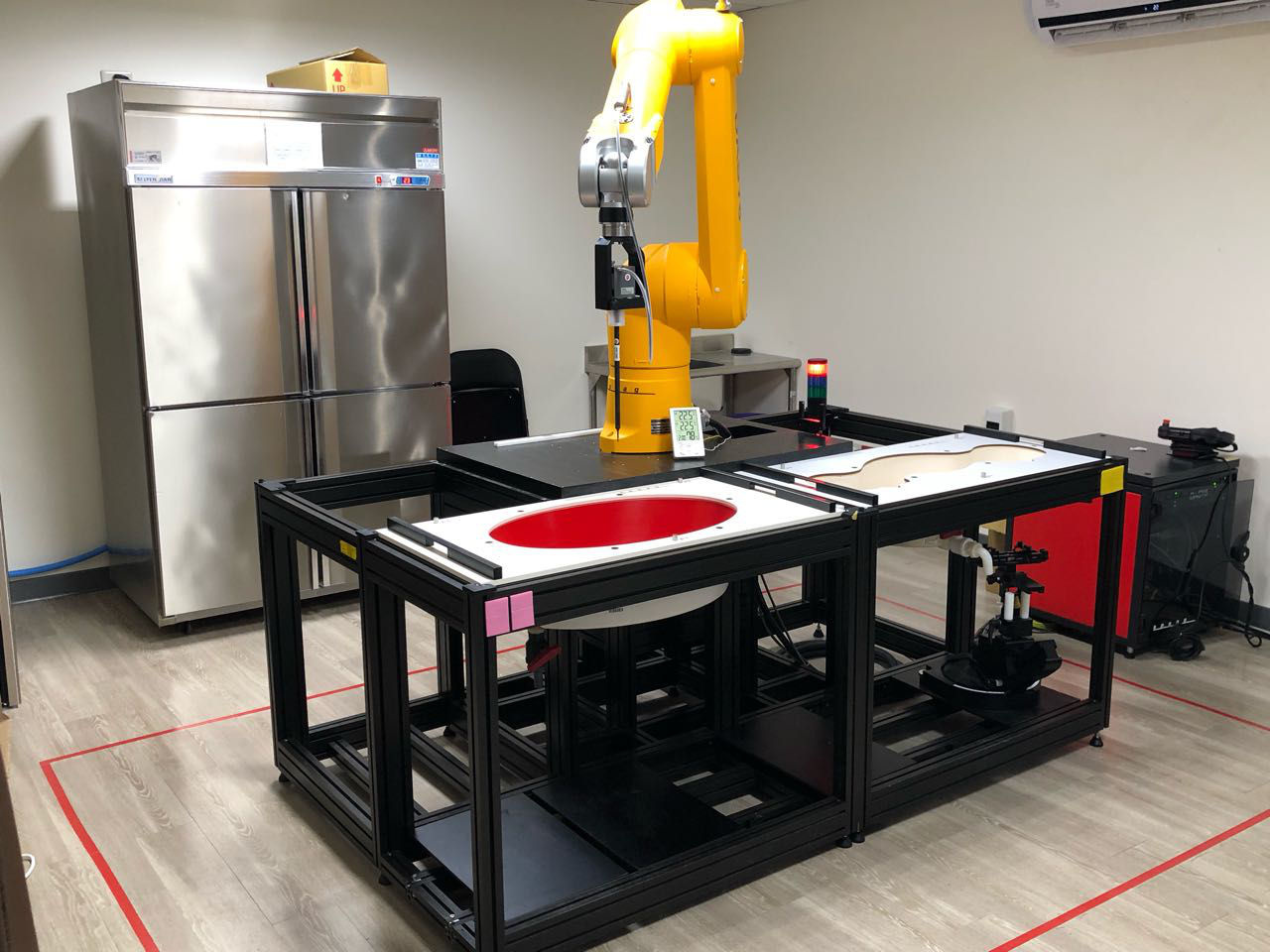
There are two methods for electromagnetic radiation, one for SAR testing and one for maximum permissible exposure (MPE) evaluation. Which method is used depends on the distance, maximum power, and usage status of the product.
According to the distance of use of the product, it is divided into the following two categories:
Portable device - transmission equipment with distance ≤ 20cm from the human body, SAR evaluation is required;
2. Mobile device (Mobile) - transmission equipment with a distance of ≥ 20cm from the human body, requires MPE evaluation.
Relevant information

EU Releases Exemption Guidelines on Removability and Replaceability of Portable and LMT Batteries — Multiple Product Categories Relief Granted
On July 14, 2026, the European Commission published the "Commission Guidelines to Facilitate the Harmonised Application of Provisions on the Removability and Replaceability of Portable and Light Means of Transport (LMT) Batteries" (Commission Notice C(2026) 5032 final). These guidelines aim to provide a uniform interpretative framework for the implementation of Article 11 of the EU Battery Regulat

6G Developments: Past, Present and Future
The formulation of 6G standards has entered a more concrete phase. At the 3GPP RAN Plenary Meeting held in Singapore in June 2026, the industry made progress in multiple key research areas and finalized the timeline for Release 21, which is regarded as the first standard version expected to formally define 6G.

Overview of EN IEC 61000-4-29:2026
The key focus of the 2026 edition is to address new DC power distribution environments, especially higher-voltage DC systems. It also clarifies test generator capability, duration tolerance, current limitation during short interruptions, inrush current verification, result evaluation, and test report requirements. For products using 24 Vdc, 48 Vdc, 380 Vdc, 400 Vdc, 800 Vdc, or other DC input pow