

CE Wi-Fi 6E EN 303 687 Standard Interpretation
Wi-Fi 6E is a technology that has undergone great changes in Wi-Fi in recent years, breaking through the traditional 2.4 GHz and 5 GHz bands and pushing Wi-Fi to the field of 6 GHz. While countries have opened the Wi-Fi 6E band one after another, EU is also vigorously developing and improving the 6e regulation of ETSI EN 303 687. From 2019 to 2021, the draft regulation after more than ten revisions has gradually stabilized, and the V0.0.14 draft version was launched on October 1, 2021 (for members only).
Here is the interpretation of the latest draft version of ETSI EN 303 687 V0.0.14 (Draft):
● Scope
ETSI EN 303 687 V0.0.14 (Draft) Scope:
The present document specifies technical characteristics and methods of measurements for 6 GHz Wireless Access Systems including Radio Local Area Network (WAS/RLAN) devices. This radio equipment is capable of operating in all or parts of the frequency bands given in table 1.
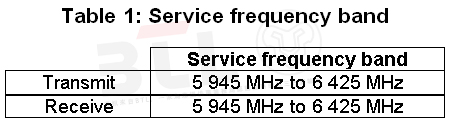
Interpretation:
The key to the scope of EN 303 687 lies in the frequency band used. As we all know, Wi Fi 6E has four bands, namely:
v Band 5:5925 ~ 6425 MHz
v Band 6:6425 ~ 6525 MHz
v Band 7:6525 ~ 6875 MHz
v Band 8:6875 ~ 7125 MHz
EN 303 687 is only applicable to band 5, and the starting frequency starts from 5945 MHz instead of 5925 MHz. Band 6 ~ 8 is not open yet.
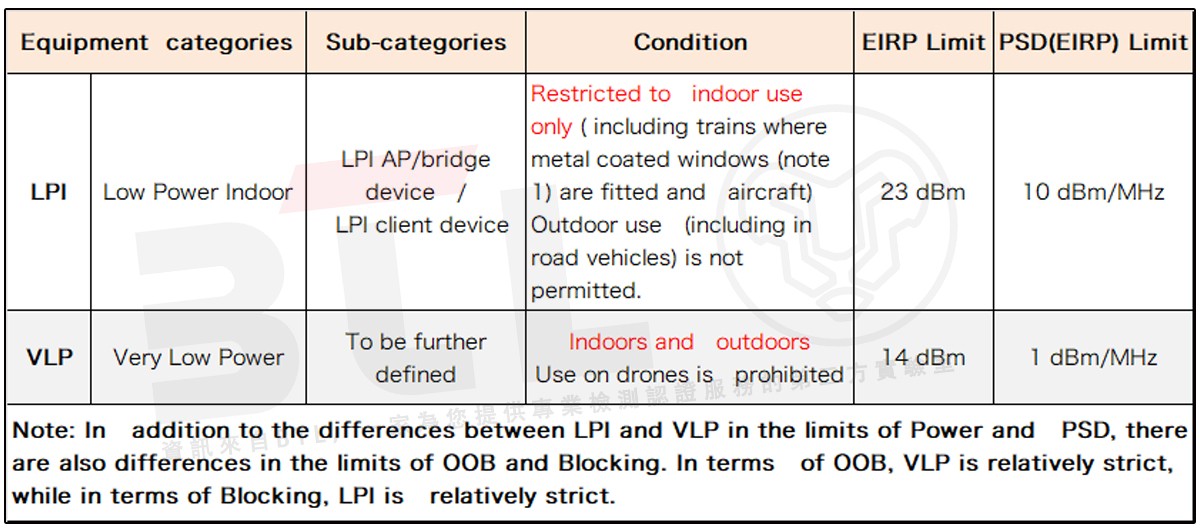
● Equipment categories
ETSI EN 303 687 V0.0.14 (Draft) defines the following two equipment categories:
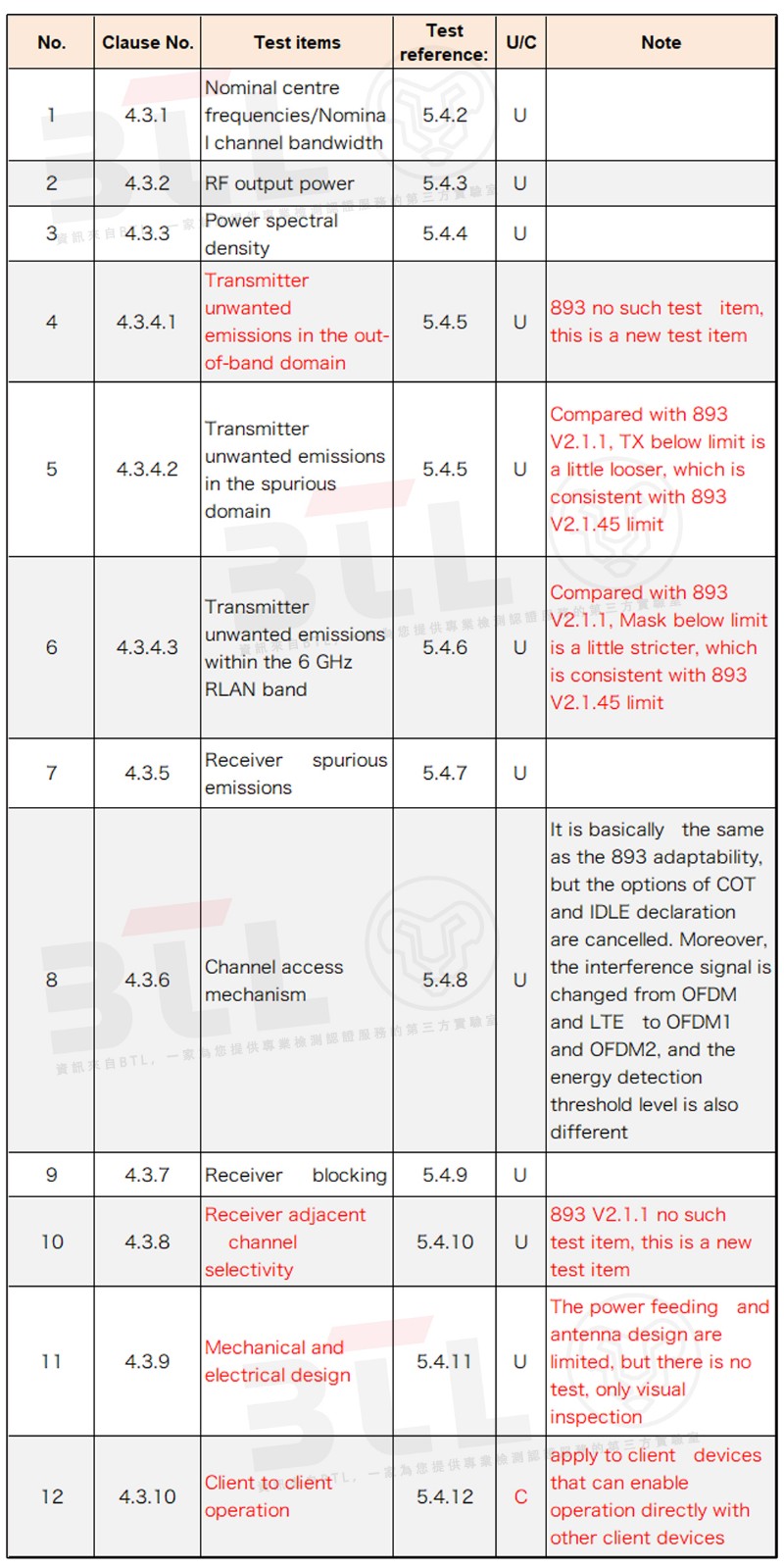
● Test Items
ETSI EN 303 687 V0.0.14 (Draft) stipulates that RLAN equipment needs to perform the following test items:
Iceland is the first European country to launch Wi-Fi 6E on June 2, 2021, prompting major manufacturers to start promoting the certification and sale of CE 6E.
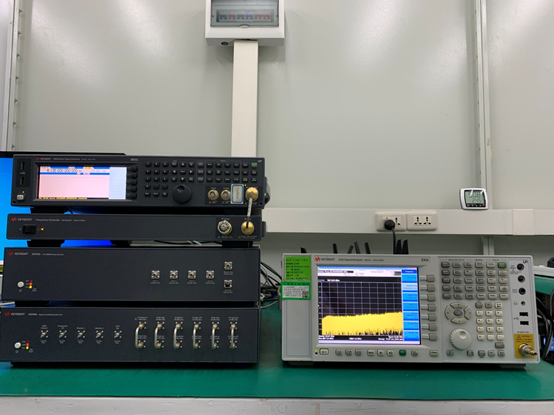
As the forerunner of testing laboratory, BTL has always been at the forefront of testing and certification of new technical specifications. Now it has invested in a complete set of direct automatic testing system (including hardware and software) developed by Keysight for Wi-Fi 6E technical specifications, which can complete CE Wi-Fi 6E testing with high efficiency and quality.
Relevant information

EU Releases Exemption Guidelines on Removability and Replaceability of Portable and LMT Batteries — Multiple Product Categories Relief Granted
On July 14, 2026, the European Commission published the "Commission Guidelines to Facilitate the Harmonised Application of Provisions on the Removability and Replaceability of Portable and Light Means of Transport (LMT) Batteries" (Commission Notice C(2026) 5032 final). These guidelines aim to provide a uniform interpretative framework for the implementation of Article 11 of the EU Battery Regulat

6G Developments: Past, Present and Future
The formulation of 6G standards has entered a more concrete phase. At the 3GPP RAN Plenary Meeting held in Singapore in June 2026, the industry made progress in multiple key research areas and finalized the timeline for Release 21, which is regarded as the first standard version expected to formally define 6G.

Overview of EN IEC 61000-4-29:2026
The key focus of the 2026 edition is to address new DC power distribution environments, especially higher-voltage DC systems. It also clarifies test generator capability, duration tolerance, current limitation during short interruptions, inrush current verification, result evaluation, and test report requirements. For products using 24 Vdc, 48 Vdc, 380 Vdc, 400 Vdc, 800 Vdc, or other DC input pow