

BRAN started the update of the new version of ETSI EN 301893 on November 1, 2017. Currently, the new version is in stable draft state. According to ETSI's work plan, the new version will be further reviewed and voted, and is expected to be released as V2.2.1 version by 2022-09-22. 2023-01-05 listed in OJ. When the final version is released, we will continue to analyze the differences for you.
The introduction of standard differences in this article is based on ETSI EN 301893 V2.1.45.

The contents of the updated version of the standard are mainly as follows:
1- To consider the possible inclusion of the sub-band3( 5 725 MHz to 5 850 MHz) together with appropriate mitigation techniques for operation in this band.
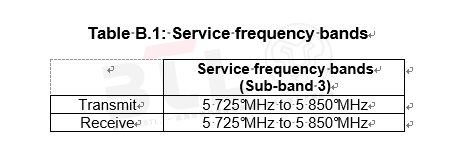
1. The following considerations should be taken into account when using this band:
1) Operation in 5 725 MHz to 5 850 MHz (sub-band 3) is not harmonised across the EU. For operation in countries other than the UK, it should be verified whether national frequency usage conditions permit operations in this sub-band.
2) For RLAN devices operating above 25 mW (e.i.r.p.), this standard does not cover equipment used for fixed outdoor use or fixed use in vehicles in sub-band 3 for deveices operating above 25 mW.
3) Country determination capability shall apply to RLAN devices that are enabled to apply a transmit power (PH) of greater than 25 mW e.i.r.p. in sub-band 3.
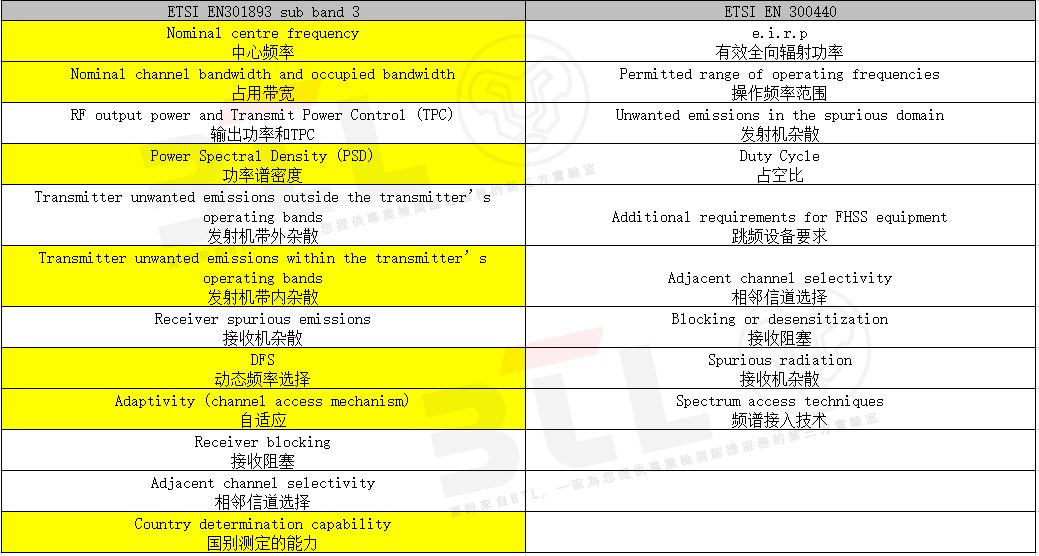
2. Up to now, most devices working in this band use ETSI EN 300440. If they use ETSI EN 301893 in the future, there will be the following differences:
1) The test requirements are different, among which DFS and Adaptivity (channel access mechanism) testing are the focus.
2) Compared with 25 mW (13.98 dBm) e.i.r.p. of ETSI EN 300440, the power limit of ETSI EN 301893 for this band will be greatly improved.Maximum up to 23 dBm.
ETSI EN 300440:
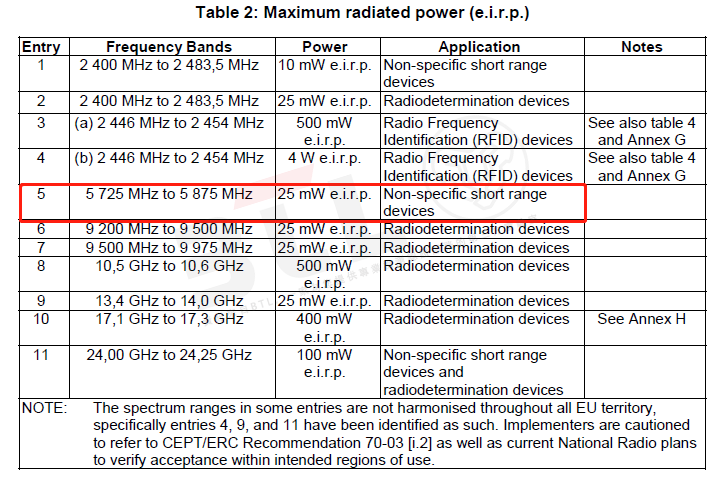
ETSI EN 301893:

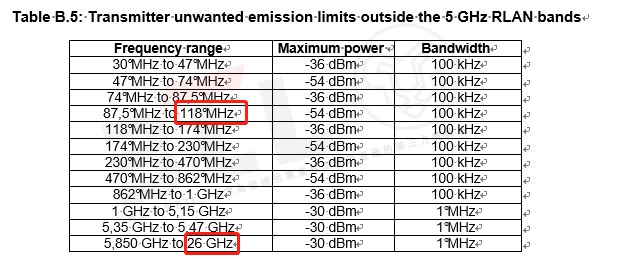
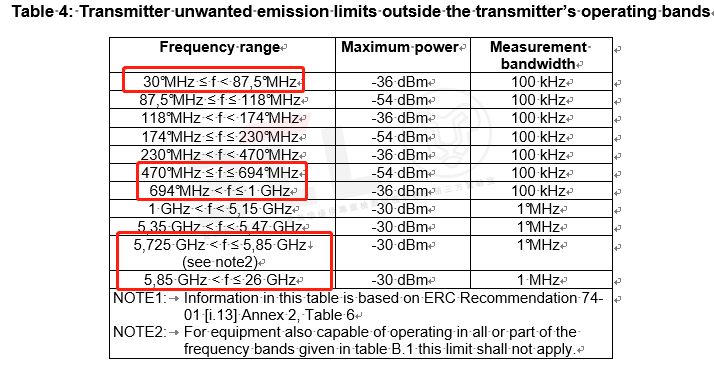
3) Transmitter unwanted emissions test frequency range and limit change. For this frequency band, ETSI EN 300440 requires that 40 GHz be detected in the test, but ETSI EN 301893 only requires that 26 GHz be detected. In addition, some frequency points are changed in the test lower than 1GHz, as shown below.
ETSI EN 300440:

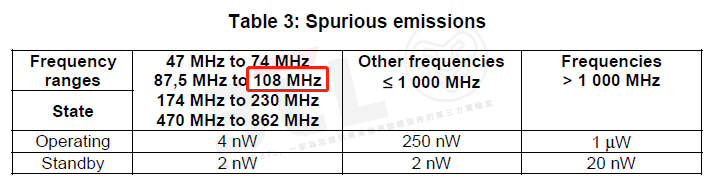
ETSI EN 301893:
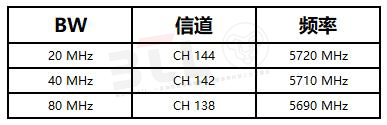
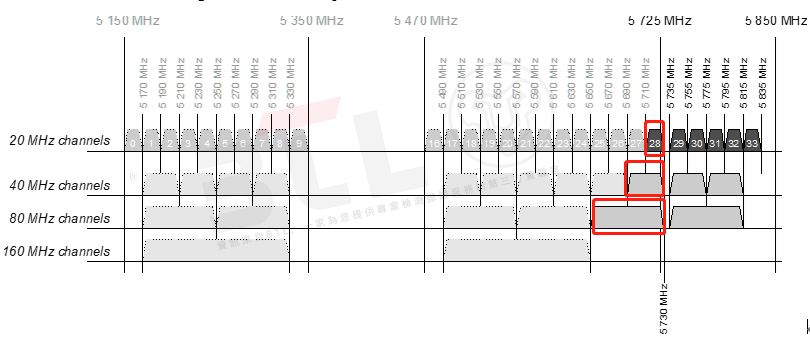
4) Add three cross-sub-bands channels, operation on these channels is only allowed when both the 5 470 MHz to 5 725 MHz (sub-band 2) and the 5 725 MHz to 5 850 MHz (sub-band 3) are available.
2- sub-band 1&2 change compared with ETSI EN 301893 V2.1.1.
1、Transmitter unwanted emission limits changes .
ETSI EN 301893 V2.1.1:
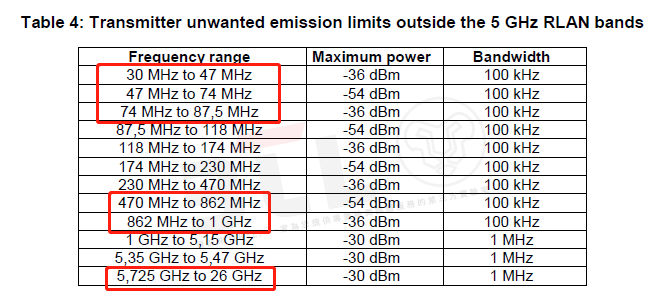
ETSI EN 301893 V2.1.45:
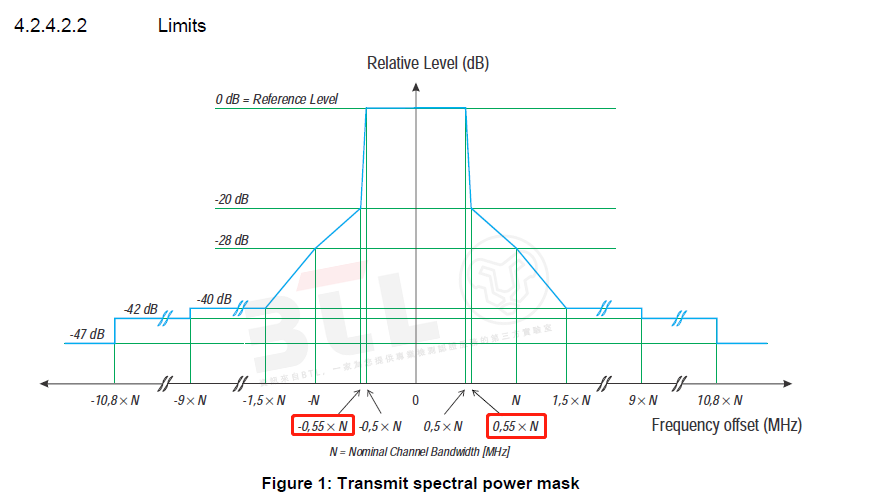
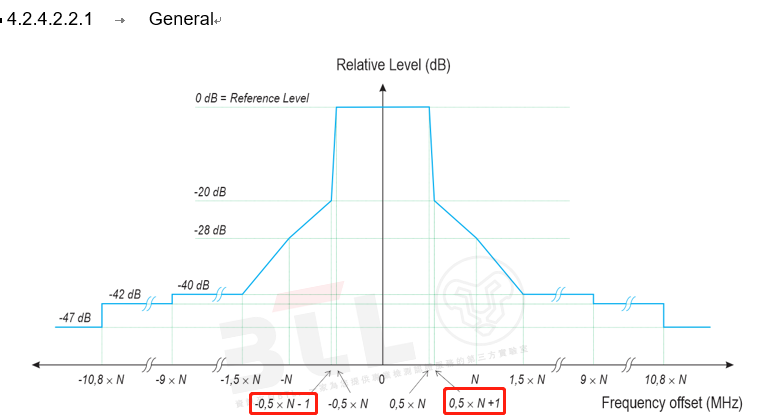
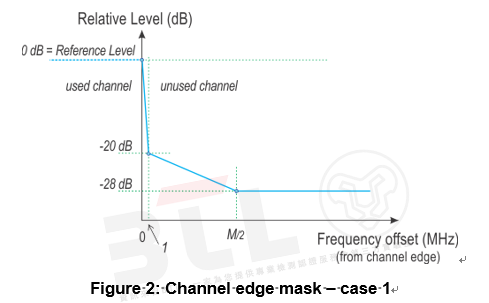
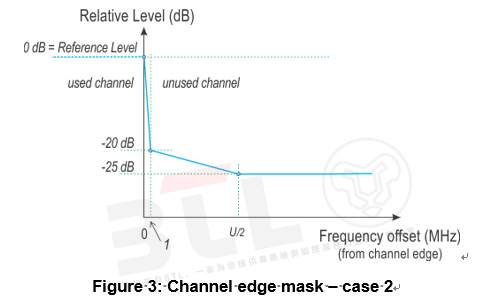
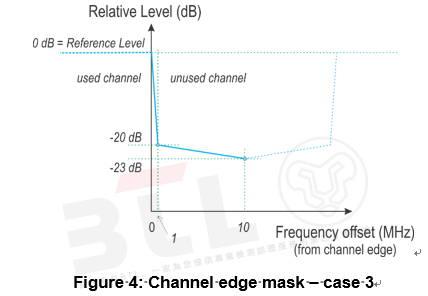
2、There will be minor changes to the Transmit spectral power mask and additional requirements for the edge mask.
ETSI EN 301893 V2.1.1:
ETSI EN 301893 V2.1.45:
Added the edge mask test requirements in the case of simultaneous transmission of multiple channels but partial channels are not used:
3、Additional procedure is added to verify the conformance of devices capable of operating as category 1 and switching from category 2 to category 1. Compliance by declaration for Channel Access Mechanism and Maximum Channel Occupancy Time(s) will be removed.


4、Add adjacent channel selectivity requirements.

5、A normative references to IEEE 802.11ax™-2021 is added.

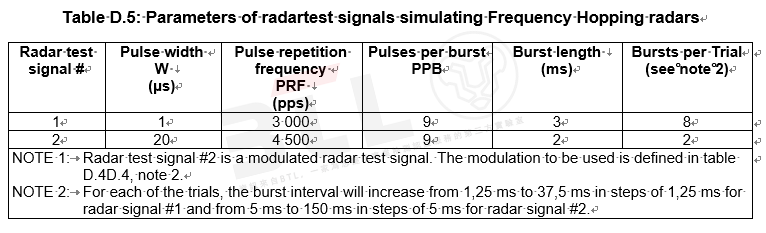
6、Table D.5 Frequency Hopping radars signal is added, and these radars signal type is only applicable to 5725 MHZ-5850 MHz.
7、To remove the Geo-location requirement.

The above is the brief summary of this standard update.
Relevant information

EU Releases Exemption Guidelines on Removability and Replaceability of Portable and LMT Batteries — Multiple Product Categories Relief Granted
On July 14, 2026, the European Commission published the "Commission Guidelines to Facilitate the Harmonised Application of Provisions on the Removability and Replaceability of Portable and Light Means of Transport (LMT) Batteries" (Commission Notice C(2026) 5032 final). These guidelines aim to provide a uniform interpretative framework for the implementation of Article 11 of the EU Battery Regulat

6G Developments: Past, Present and Future
The formulation of 6G standards has entered a more concrete phase. At the 3GPP RAN Plenary Meeting held in Singapore in June 2026, the industry made progress in multiple key research areas and finalized the timeline for Release 21, which is regarded as the first standard version expected to formally define 6G.

Overview of EN IEC 61000-4-29:2026
The key focus of the 2026 edition is to address new DC power distribution environments, especially higher-voltage DC systems. It also clarifies test generator capability, duration tolerance, current limitation during short interruptions, inrush current verification, result evaluation, and test report requirements. For products using 24 Vdc, 48 Vdc, 380 Vdc, 400 Vdc, 800 Vdc, or other DC input pow