

Japan's Radio Law REDCAP New Chapter: NR Light, 5G NR Rel.17
Starting from the earliest date of the public consultation draft on January 30, 2025 (entitled "Introducing RedCap/eRedCap to Improve the System") to the release of TELEC T161 V6.0 by the TELEC organization and the publication of the "Test Methods for 5G NR (Sub-6 GHz Band) Land Mobile Stations (RedCap/eRedCap)" by the DSPR organization on June 24, 2025. Unless there is a subsequent announcement by the Ministry of Internal Affairs and Communications (MIC), this release date of June 24, 2025 will usually be the implementation date of the regulation, and the Japanese Ministry of Internal Affairs and Communications has begun to approve the authorization of 5G NR RedCap equipment.
It clearly specifies the technical requirements for RedCap/eRedCap equipment, including key parameters such as frequency usage, transmit power, and modulation methods. This revision can be regarded as an important step for Japan to incorporate the 3GPP R17 RedCap standard.
Relationship between the Legal Framework and Technical Standards of Japan's Radio Law
The newly released RedCap-related certification regulations are as follows, and the testing requirements are completely consistent with those for conventional 5G NR equipment. It should be noted that only the testing methods are listed here, not the regulations themselves:
· Article 2-1-11-34-2: RedCap FDD band
· Article 2-1-11-30-3: RedCap TDD (n40, n77, n78, n79)
· Article 2-1-54-6-3: RedCap TDD (n41)
· Article 2-1-11-32-3: RedCap TDD (FR2 n257)
At present, the public certificate system of the MIC has not yet displayed the above new article classifications. It is expected that these articles will appear on the certificate webpage only after the MIC completes the system update.
What is RedCap?
· 5G RedCap (Reduced Capability) is a lightweight 5G technology introduced by 3GPP in the 5G R17 phase. It reduces costs and energy consumption by simplifying some functions while maintaining good network connectivity and coverage, mainly targeting fields such as the Internet of Things, industrial automation, and smart cities.
Why is RedCap launched?
· Evolutionary relationship: RedCap is a "lightweight branch" of 5G NR. It reuses the 5G core network and part of the access network architecture, enabling smooth access to 5G networks. LTE and 5G NR belong to different generations and require SA (Standalone Architecture) or NSA (Non-Standalone Architecture).
· Rate and Scenario: 5G NR pursues extreme speed (over 2Gbps) to serve high-end consumer scenarios; RedCap focuses on medium and high speed (within 300Mbps), balances cost and power consumption, and serves the Internet of Things; LTE has the lowest speed (within 300Mbps) but has the most mature industrial chain.
· Design complexity: RedCap significantly reduces device complexity by simplifying MIMO, supporting half-duplex, and relaxing some radio frequency indicators, with costs close to those of LTE; 5G NR has the most complex design in pursuit of high performance.
To sum up, the three respectively cover the demand spectrum of "4G broadband → 5G high-end broadband → 5G medium and high-speed Internet of Things". The core value of RedCap lies in providing better speed than LTE and 5G network compatibility at a cost close to that of LTE, filling the technical gap between traditional Internet of Things (such as NB-IoT) and 5G eMBB.
The following is a comparative analysis of LTE FDD, 5G NR FDD, and RedCap FDD within the framework of Japan's Radio Law (JRL), conducted by integrating technical characteristics and regulatory requirements:
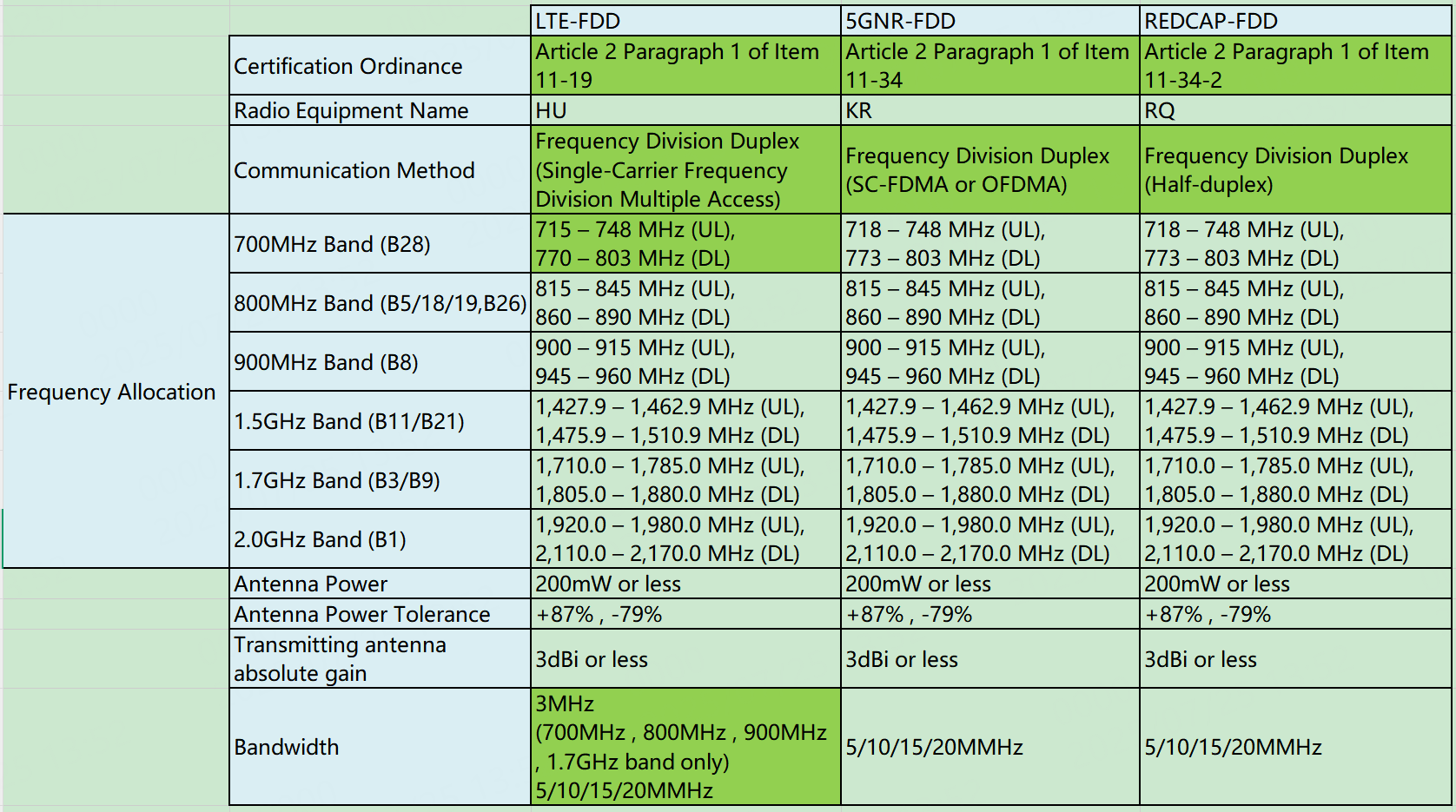
Under the framework of Japan's Radio Law (JRL), RedCap products must obtain TELEC certification (authorized by Japan's Ministry of Internal Affairs and Communications, MIC) and comply with the Radio Law and relevant technical specifications. The following are the core items and specific requirements for radio frequency testing of RedCap FDD products:
▶ Frequency Error
Test Purpose: To verify the frequency accuracy of the transmitted signal and prevent interference with other frequency bands.

▶ Transmit Power
Test Purpose: To confirm that the transmit power of the device complies with regulatory limits and balance coverage and interference risks.

▶ Occupied Bandwidth (OBW)
Test Purpose: To ensure that signal energy is concentrated within the specified bandwidth and avoid the abuse of spectrum resources.
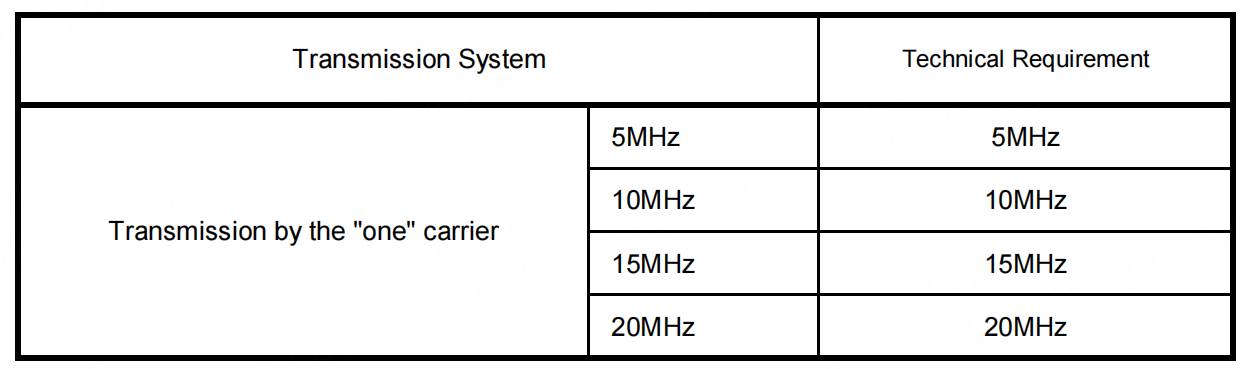
▶ Adjacent Channel Leakage Ratio(ACLR)
Test Purpose: To evaluate the signal leakage level of adjacent channels and prevent interference to devices in adjacent frequency bands.
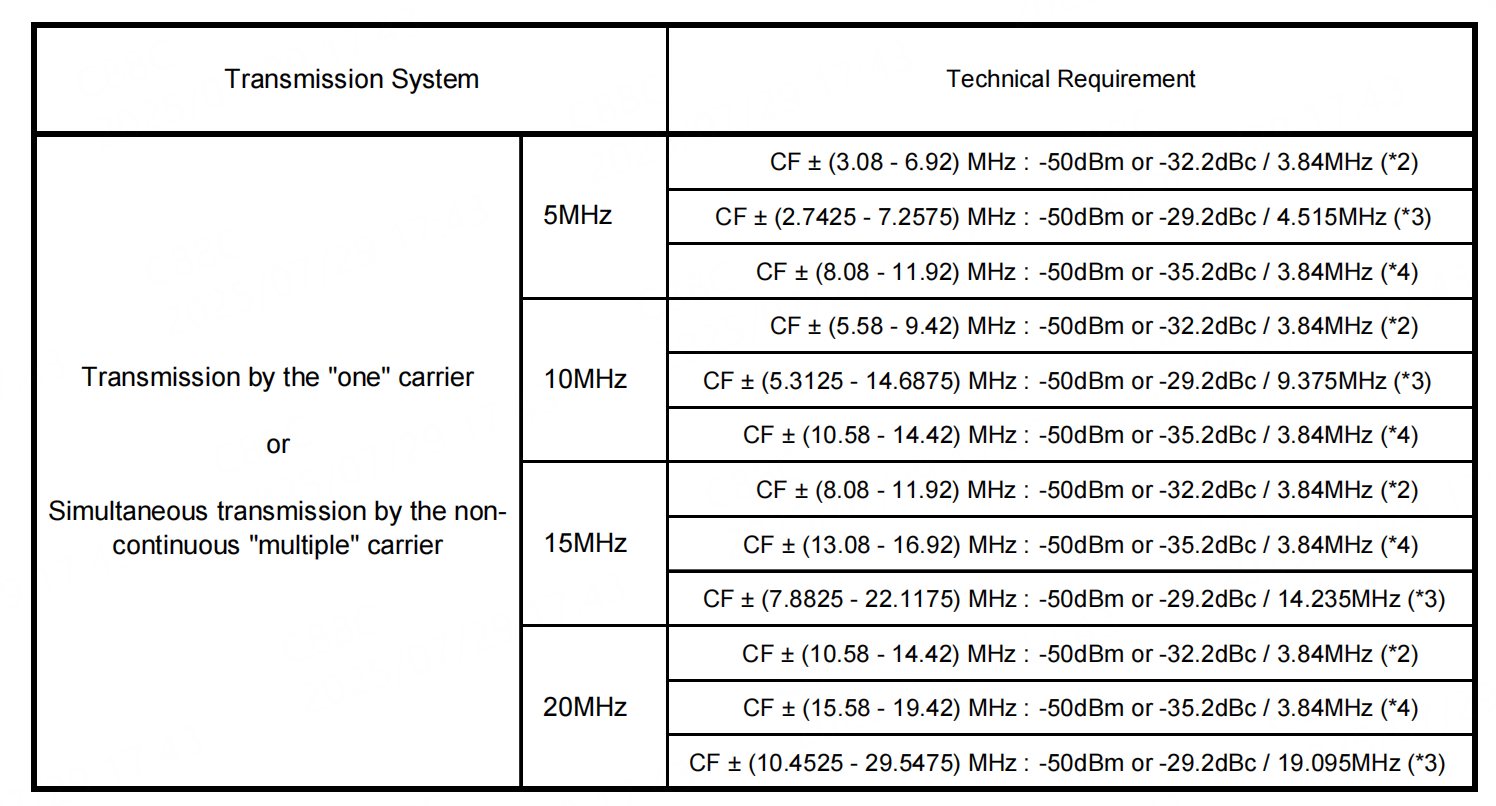
▶ Spectrum Emission Mask(SEM)
Test Purpose: To restrict the spectral distribution of out-of-band radiation and avoid interference to other systems.
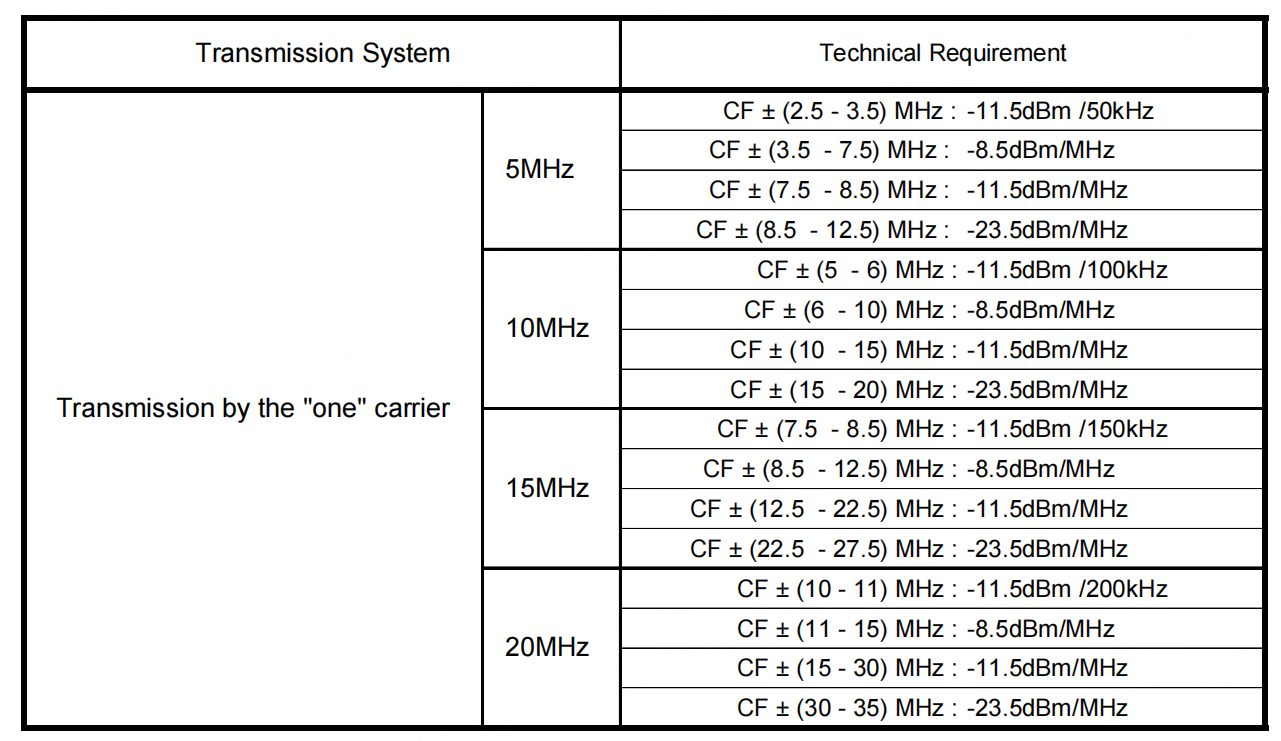
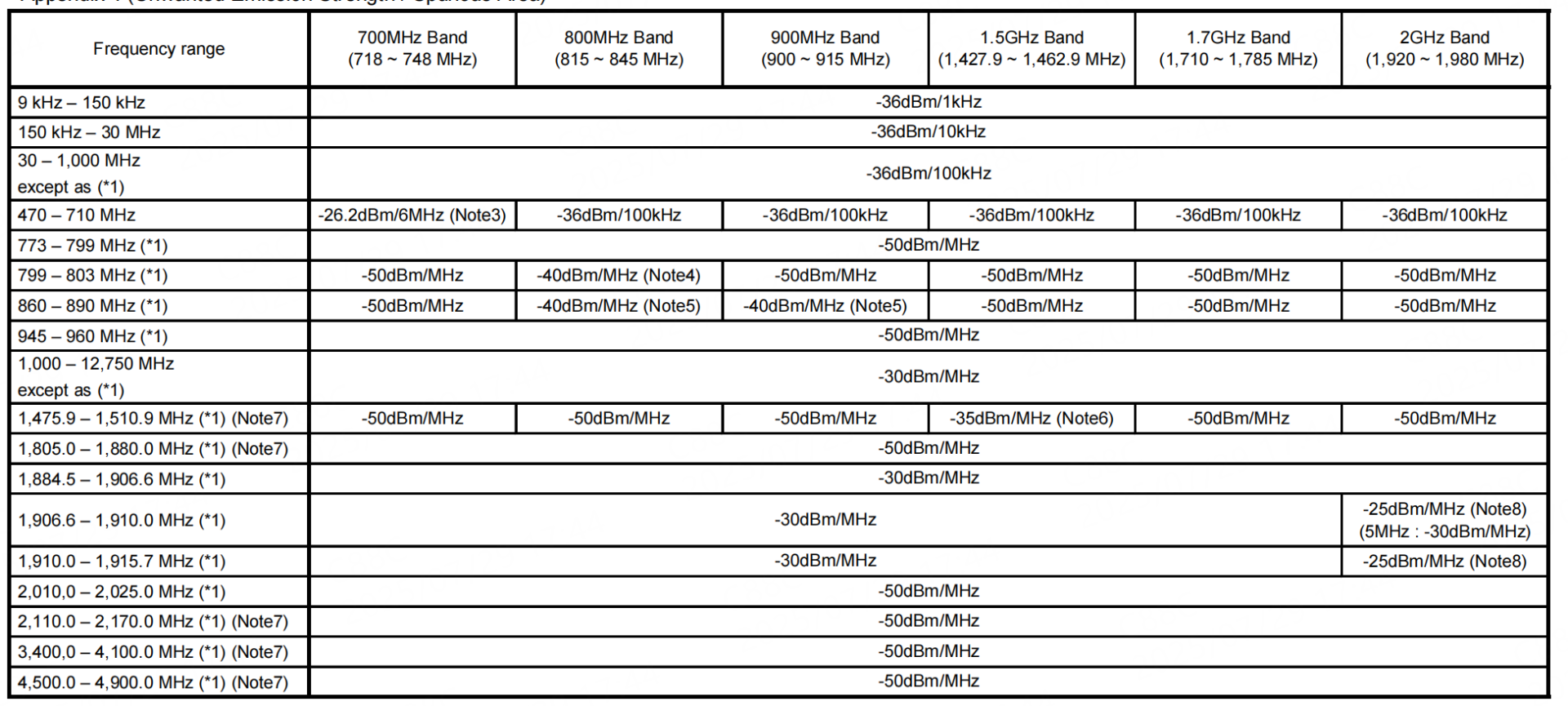
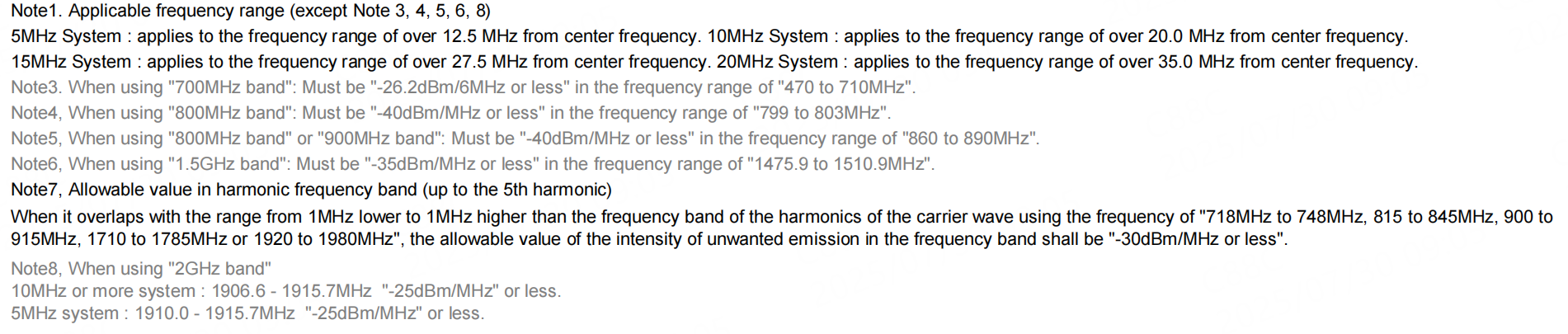
▶ Transmitter Spurious Emissions
Test Purpose: To detect radiation in non-target frequency bands and ensure no interference to other devices.
▶ Receiver Spurious Emissions
Test Purpose: To verify whether the spurious radiation generated by the receiver itself complies with the limit values.

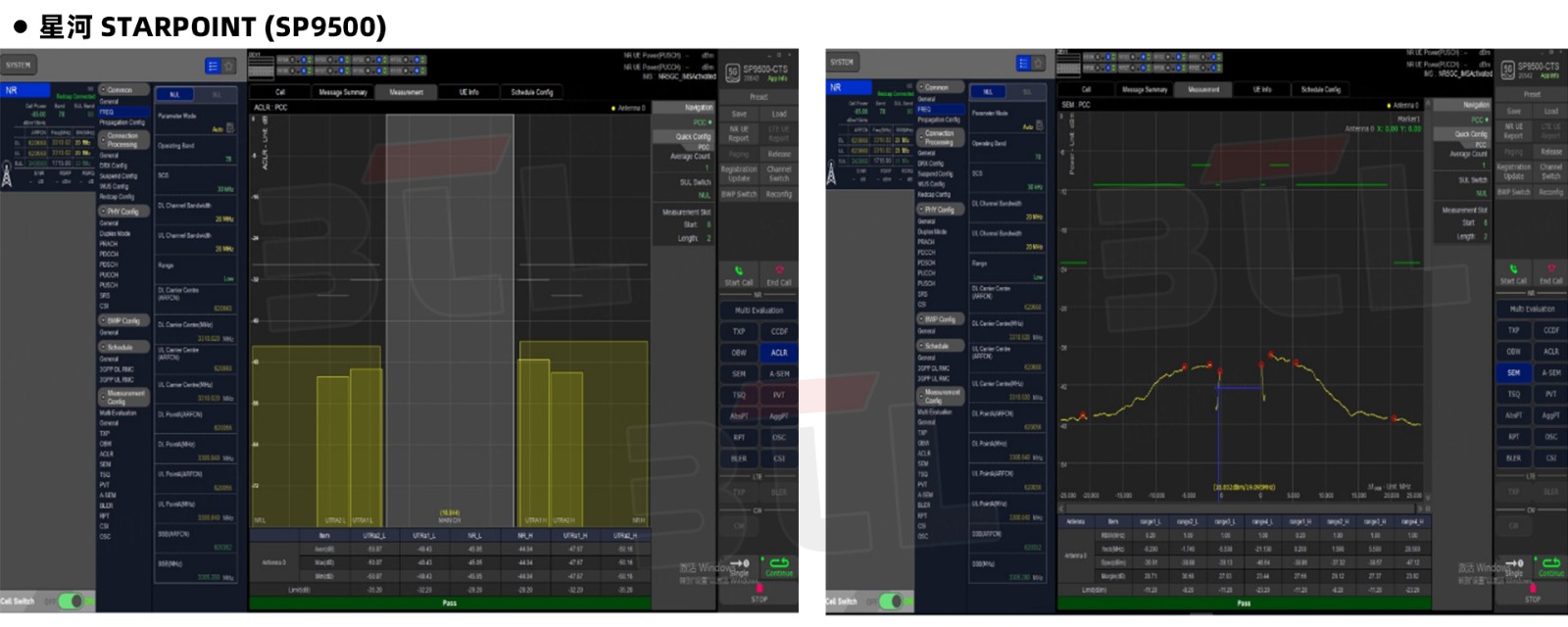
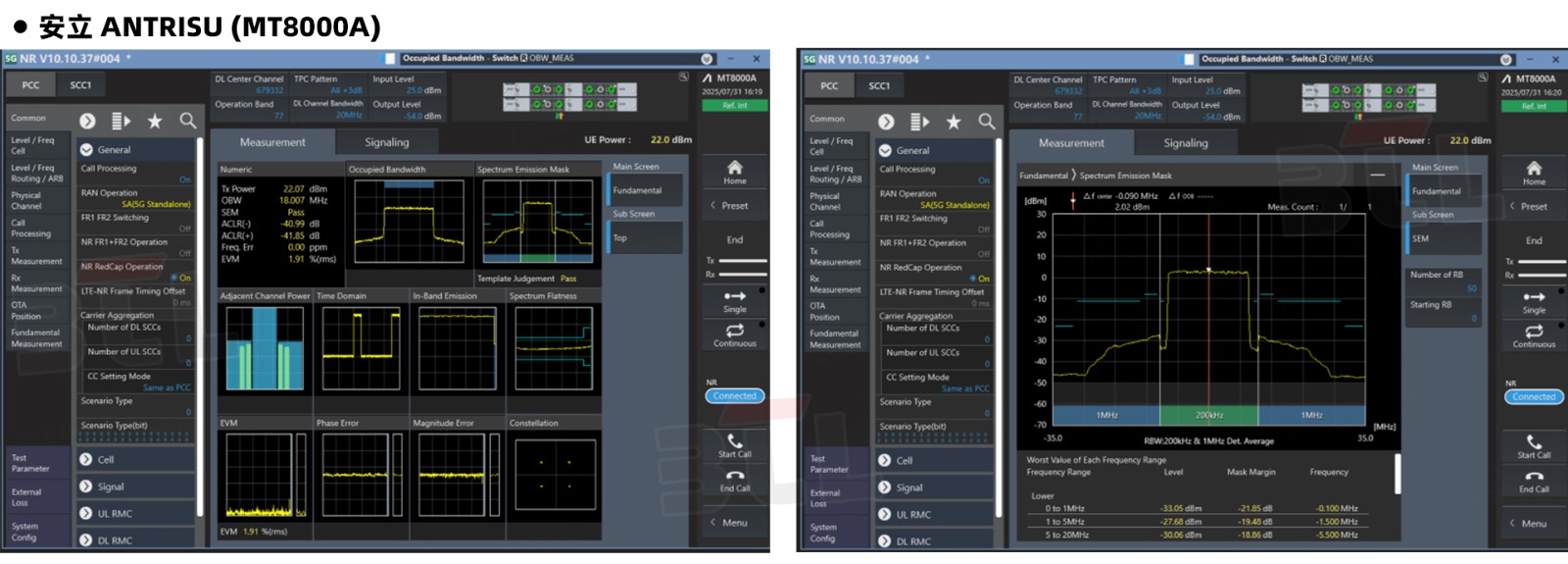
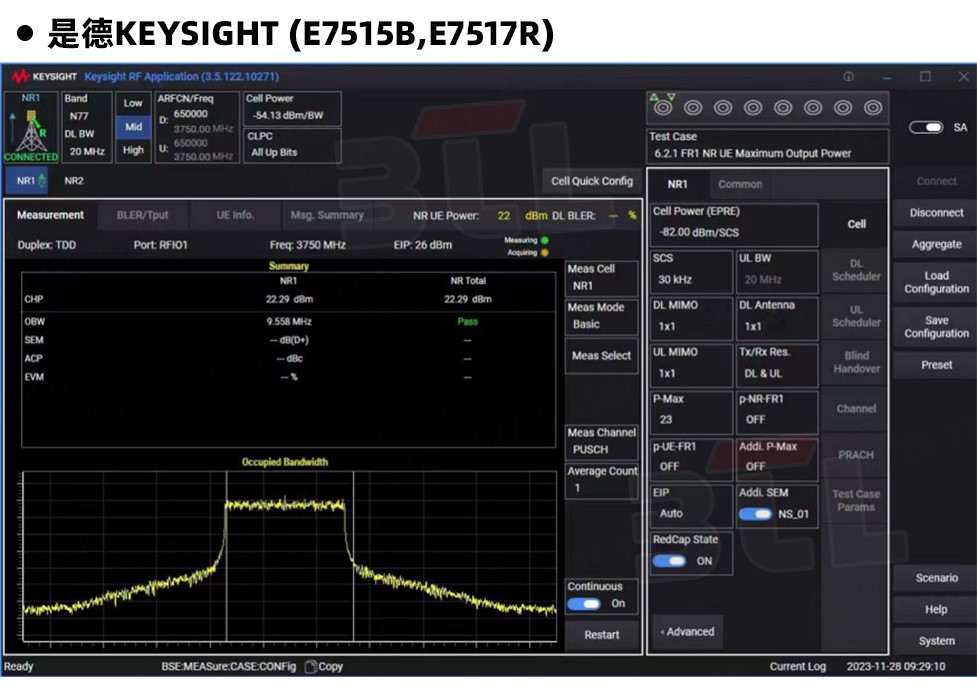
In this process, we used representative instruments from various manufacturers to demonstrate the connection screen of RedCap devices and the status of each test item.
BTL has many years of testing experience. Its engineering team consists of full-time technical personnel, project evaluation and management personnel, and on-site testing personnel, enabling it to be more professional, meticulous and efficient. It can provide a complete range of testing services for numerous manufacturers and issue test reports recognized by relevant qualifications, offering customers a faster one-stop service. You can call us for consultation; we are happy to answer your questions and look forward to your call!
Relevant information

EU Releases Exemption Guidelines on Removability and Replaceability of Portable and LMT Batteries — Multiple Product Categories Relief Granted
On July 14, 2026, the European Commission published the "Commission Guidelines to Facilitate the Harmonised Application of Provisions on the Removability and Replaceability of Portable and Light Means of Transport (LMT) Batteries" (Commission Notice C(2026) 5032 final). These guidelines aim to provide a uniform interpretative framework for the implementation of Article 11 of the EU Battery Regulat

6G Developments: Past, Present and Future
The formulation of 6G standards has entered a more concrete phase. At the 3GPP RAN Plenary Meeting held in Singapore in June 2026, the industry made progress in multiple key research areas and finalized the timeline for Release 21, which is regarded as the first standard version expected to formally define 6G.

Overview of EN IEC 61000-4-29:2026
The key focus of the 2026 edition is to address new DC power distribution environments, especially higher-voltage DC systems. It also clarifies test generator capability, duration tolerance, current limitation during short interruptions, inrush current verification, result evaluation, and test report requirements. For products using 24 Vdc, 48 Vdc, 380 Vdc, 400 Vdc, 800 Vdc, or other DC input pow